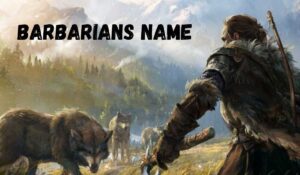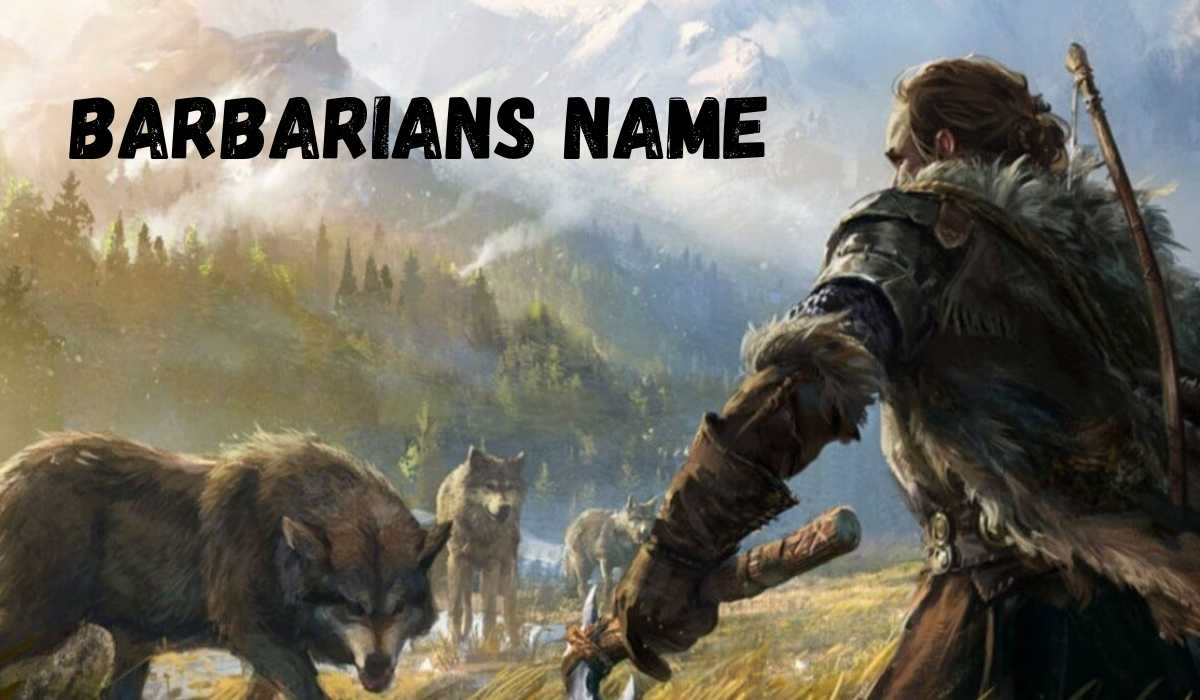
Every epic hero or fearsome villain needs a name that hits hard. Brutal and Bold: 650 Barbarians Name for Your Next Character is packed with fierce options. From barbarian names male to female, you’ll discover cool barbarian names, good barbarian names, and male barbarian names perfect for any story.
A powerful Barbarian’s Name doesn’t just identify your character, it commands respect. It radiates strength, courage, and raw personality. Whether your warrior crushes foes or outsmarts enemies, these names bring them to life. Choose a barbarian name that’s brutal, bold, and impossible to forget.
What Makes a Great Barbarian’s Name?
- Strong and Fierce: A great name should sound powerful and intimidating.
- Easy to Remember: Keep it simple so readers can recall it easily.
- Short and Punchy: Short names hit harder than long, complicated ones.
- Reflects Personality: The name should match the character’s traits or skills.
- Sounds Savage: It should feel wild, untamed, and bold.
- Fits the Setting: Make sure it suits the world or tribe your barbarian belongs to.
- Unique and Original
Avoid generic names; create something fresh. - Resonates with the Audience: The name should spark interest and excitement in readers.
- Easy to Pronounce: Complicated spellings can confuse and distract.
- Leaves an Impact: A great barbarian name stays in the reader’s mind long after.
Male Barbarians Name
Creating a male barbarian starts with a strong and memorable name. Each name reflects power, courage, and the wild nature of a fearless warrior.
- Thorak: Norse origin, meaning “thunder strength,” a giant among warriors known for his unstoppable fury.
- Korrin: Celtic origin, meaning “battle spear,” a master of close combat.
- Dragan: Slavic origin, meaning “dragon,” a fierce and feared fighter.
- Balthor: Germanic origin, meaning “bold protector,” a leader of his tribe.
- Varkun: Old English origin, meaning “wolf warrior,” swift and cunning in battle.
- Gorrik: Norse origin, meaning “iron axe,” feared for his brutal strikes.
- Hrothgar: Scandinavian origin, meaning “famous spear,” known for legendary conquests.
- Zarnok: Fictional origin, meaning “unyielding strength,” a relentless raider.
- Falkor: Germanic origin, meaning “falcon,” sharp-eyed and deadly.
- Drogath: Old Norse origin, meaning “storm bringer,” feared across lands.
- Rognar: Scandinavian origin, meaning “counsel of the gods,” wise and fierce.
- Karnath: Fictional origin, meaning “battle lord,” leader of merciless tribes.
- Tharn: Norse origin, meaning “thorn,” sharp and dangerous in combat.
- Veldor: Germanic origin, meaning “war field,” unstoppable in battle.
- Brakar: Norse origin, meaning “breaker,” legendary for crushing enemies.
- Malrik: Slavic origin, meaning “strong hammer,” a smith and warrior.
- Grothar: Germanic origin, meaning “mighty,” renowned for battlefield dominance.
- Zorvik: Fictional origin, meaning “fierce,” relentless and merciless.
- Harkan: Old English origin, meaning “battle wolf,” cunning and fierce.
- Thorgan: Norse origin, meaning “thunder spear,” a lightning-fast raider.
- Brundar: Scandinavian origin, meaning “protector of the tribe,” loyal and strong.
- Korvik: Fictional origin, meaning “iron will,” feared by enemies.
- Drakar: Norse origin, meaning “dragon warrior,” commanding fear on sight.
- Volgrim: Germanic origin, meaning “wolf lord,” swift and intelligent.
- Ragnor: Scandinavian origin, meaning “judgment of gods,” wise and brutal.
- Throgar: Norse origin, meaning “battle axe,” relentless in war.
- Varkath: Fictional origin, meaning “shadow wolf,” silent but deadly.
- Gorrath: Old Norse origin, meaning “storm axe,” feared across villages.
- Falkran: Germanic origin, meaning “falcon king,” master of strategy.
- Haldor: Scandinavian origin, meaning “rock of defense,” protector of tribes.
- Zarnath: Fictional origin, meaning “unyielding warrior,” unstoppable in raids.
- Dravok: Slavic origin, meaning “iron claw,” lethal in combat.
- Bragnor: Norse origin, meaning “ruler of battles,” victorious in war.
- Korath: Fictional origin, meaning “fierce guardian,” loyal and brutal.
- Thrognar: Scandinavian origin, meaning “hammer of war,” unrelenting in fights.
- Malvor: Germanic origin, meaning “mighty lord,” a legendary chieftain.
- Harkon: Old Norse origin, meaning “wolf of the north,” feared by all.
- Dragnar: Scandinavian origin, meaning “dragon spear,” fierce and cunning.
- Veldrak: Fictional origin, meaning “battle master,” dominates the battlefield.
- Bruthar: Norse origin, meaning “strong protector,” a loyal fighter.
- Gorriksen: Germanic origin, meaning “son of strength,” unstoppable in raids.
- Zarkon: Fictional origin, meaning “shadow warrior,” strikes without warning.
- Tharok: Old English origin, meaning “iron thorn,” deadly in combat.
- Krogar: Norse origin, meaning “war axe,” known for savage attacks.
- Falkar: Germanic origin, meaning “falcon fighter,” swift and deadly.
- Dravik: Fictional origin, meaning “relentless,” feared by all enemies.
- Hrothik: Scandinavian origin, meaning “famous fighter,” victorious in battles.
- Varkran: Old Norse origin, meaning “wolf warrior,” cunning and fierce.
- Bragnar: Norse origin, meaning “bold warrior,” leads tribes into war.
- Korathor: Fictional origin, meaning “iron protector,” legend in every village.
Female Barbarians Name
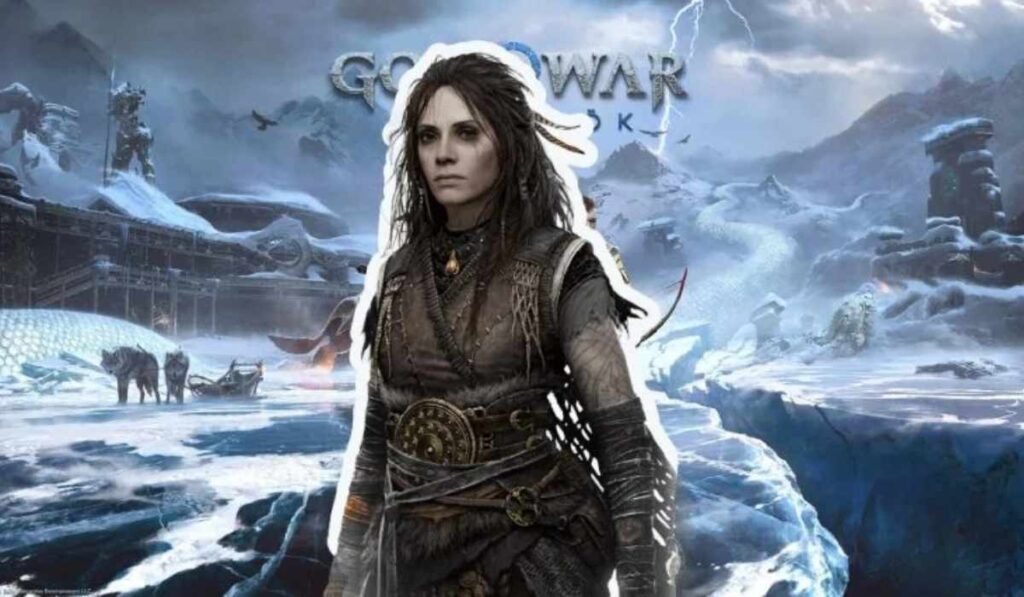
Female barbarians need names that reflect strength, fierceness, and courage. These names are bold, memorable, and perfect for any warrior woman.
- Freyra: Norse origin, meaning “goddess of war,” fierce and commanding.
- Valkira: Scandinavian origin, meaning “chooser of slain,” unstoppable in battle.
- Bryndis: Old Norse origin, meaning “armored goddess,” swift and strong.
- Zarya: Slavic origin, meaning “dawn,” brings hope and fire in battle.
- Thalira: Fictional origin, meaning “storm maiden,” fierce and relentless.
- Hildra: Scandinavian origin, meaning “battle maiden,” courageous and bold.
- Sigrun: Old Norse origin, meaning “victory rune,” victorious in war.
- Korrina: Celtic origin, meaning “spear maiden,” sharp and lethal.
- Dravina: Fictional origin, meaning “dragon lady,” commanding respect.
- Brynna: Scandinavian origin, meaning “strong armor,” resilient and fearless.
- Varkira: Fictional origin, meaning “wolf warrior,” cunning and fast.
- Thryssa: Old Norse origin, meaning “fierce,” unmatched in combat.
- Zorana: Slavic origin, meaning “golden dawn,” bright and fierce.
- Harkira: Fictional origin, meaning “battle queen,” unstoppable leader.
- Malvira: Germanic origin, meaning “strong protector,” brave and loyal.
- Drakara: Fictional origin, meaning “dragon heart,” fearless in war.
- Falkira: Scandinavian origin, meaning “falcon maiden,” sharp-eyed fighter.
- Ragnira: Norse origin, meaning “wise warrior,” cunning and bold.
- Thalara: Fictional origin, meaning “storm bringer,” wild and untamed.
- Korvessa: Old English origin, meaning “iron maiden,” unyielding in battle.
- Brinya: Scandinavian origin, meaning “strong protector,” legendary in tribes.
- Veldira: Fictional origin, meaning “battle spirit,” fierce and proud.
- Hrothira: Norse origin, meaning “famous warrior,” unmatched in fights.
- Zarkina: Fictional origin, meaning “shadow huntress,” swift and deadly.
- Thrynn: Old Norse origin, meaning “strength,” courageous in battle.
- Dravira: Fictional origin, meaning “dragon warrior,” bold and fierce.
- Brythra: Scandinavian origin, meaning “mighty one,” feared by enemies.
- Freyssa: Norse origin, meaning “goddess of courage,” strong and wild.
- Valkyra: Scandinavian origin, meaning “battle chooser,” unstoppable in raids.
- Korvina: Fictional origin, meaning “iron heart,” unbreakable in war.
- Hildora: Old Norse origin, meaning “battle maiden,” deadly in combat.
- Zorya: Slavic origin, meaning “morning star,” fierce and unstoppable.
- Thalirae: Fictional origin, meaning “storm warrior,” commanding and strong.
- Bryndora: Scandinavian origin, meaning “shield maiden,” fearless in war.
- Drakarae: Fictional origin, meaning “dragon soul,” bold and unstoppable.
- Falkirae: Scandinavian origin, meaning “falcon spirit,” swift and deadly.
- Ragnirae: Norse origin, meaning “victory maiden,” victorious and bold.
- Varkirae: Fictional origin, meaning “wolf huntress,” cunning and fierce.
- Malvirae: Germanic origin, meaning “strong guardian,” loyal and brave.
- Thryssael: Old Norse origin, meaning “battle queen,” feared across lands.
- Hrothirae: Norse origin, meaning “famous fighter,” legendary in tribes.
- Zarkinae: Fictional origin, meaning “shadow warrior,” swift and deadly.
- Brynnae: Scandinavian origin, meaning “iron maiden,” unyielding and strong.
- Freyrae: Norse origin, meaning “goddess of battle,” commanding respect.
- Valkyrae: Scandinavian origin, meaning “chooser of slain,” fierce and relentless.
- Korvessae: Fictional origin, meaning “storm protector,” bold and brave.
- Dravirae: Fictional origin, meaning “dragon warrior,” unstoppable in combat.
- Thalarae: Fictional origin, meaning “storm bringer,” wild and untamed.
- Bryndira: Scandinavian origin, meaning “armored maiden,” fearless and strong.
- Zorynae: Slavic origin, meaning “morning warrior,” radiant and bold.
Unique Barbarian Names Male
Unique male barbarian names stand out in any story. These names sound fierce, original, and unforgettable for warriors or leaders.
- Kragnar: Fictional origin, meaning “iron fury,” feared in battle.
- Volthar: Old Norse origin, meaning “storm hammer,” unstoppable force.
- Dravok: Fictional origin, meaning “shadow warrior,” swift and deadly.
- Thrygon: Scandinavian origin, meaning “battle king,” commands respect.
- Zarnath: Fictional origin, meaning “unyielding warrior,” relentless in raids.
- Hrothgar: Norse origin, meaning “famous spear,” legendary fighter.
- Falkor: Germanic origin, meaning “falcon,” sharp-eyed and quick.
- Brundar: Scandinavian origin, meaning “tribe protector,” strong and loyal.
- Korvath: Fictional origin, meaning “iron guardian,” feared across lands.
- Varkun: Old English origin, meaning “wolf warrior,” cunning and fierce.
- Throgar: Norse origin, meaning “battle axe,” merciless in combat.
- Drogath: Old Norse origin, meaning “storm bringer,” feared by enemies.
- Rognar: Scandinavian origin, meaning “counsel of gods,” wise and strong.
- Brakar: Norse origin, meaning “breaker,” legendary in raids.
- Zorvik: Fictional origin, meaning “fierce,” unstoppable and bold.
- Gorrik: Norse origin, meaning “iron axe,” master of war.
- Harkan: Old English origin, meaning “battle wolf,” sharp and fast.
- Veldor: Germanic origin, meaning “war field,” dominant in battles.
- Karnath: Fictional origin, meaning “battle lord,” feared by all.
- Tharn: Norse origin, meaning “thorn,” dangerous in combat.
- Dragnar: Scandinavian origin, meaning “dragon spear,” fierce and cunning.
- Falkran: Germanic origin, meaning “falcon king,” skilled strategist.
- Malrik: Slavic origin, meaning “strong hammer,” mighty fighter.
- Grothar: Germanic origin, meaning “mighty,” feared in war.
- Bragnar: Norse origin, meaning “bold warrior,” leads armies.
- Korath: Fictional origin, meaning “fierce guardian,” loyal and strong.
- Thrognar: Scandinavian origin, meaning “hammer of war,” unstoppable.
- Malvor: Germanic origin, meaning “mighty lord,” legendary chieftain.
- Harkon: Old Norse origin, meaning “wolf of the north,” feared.
- Drakar: Norse origin, meaning “dragon warrior,” fierce in battle.
- Veldrak: Fictional origin, meaning “battle master,” dominates opponents.
- Bruthar: Norse origin, meaning “strong protector,” loyal and fierce.
- Gorriksen: Germanic origin, meaning “son of strength,” powerful.
- Zarkon: Fictional origin, meaning “shadow warrior,” deadly and silent.
- Tharok: Old English origin, meaning “iron thorn,” lethal in fights.
- Krogar: Norse origin, meaning “war axe,” savage and unstoppable.
- Falkar: Germanic origin, meaning “falcon fighter,” fast and deadly.
- Dravik: Fictional origin, meaning “relentless,” feared by all.
- Hrothik: Scandinavian origin, meaning “famous fighter,” victorious.
- Varkran: Old Norse origin, meaning “wolf warrior,” cunning and strong.
- Korathor: Fictional origin, meaning “iron protector,” legend in tribes.
- Bragnar: Norse origin, meaning “bold warrior,” commands respect.
- Ragnor: Scandinavian origin, meaning “judgment of gods,” wise and fierce.
- Throgar: Norse origin, meaning “battle axe,” merciless fighter.
- Zarnok: Fictional origin, meaning “unyielding strength,” unstoppable.
- Gorrath: Old Norse origin, meaning “storm axe,” feared widely.
- Falkor: Germanic origin, meaning “falcon,” sharp and quick.
- Haldor: Scandinavian origin, meaning “rock of defense,” protector of tribes.
- Varkath: Fictional origin, meaning “shadow wolf,” silent but deadly.
- Dragnar: Scandinavian origin, meaning “dragon spear,” legendary warrior.
Badass Barbarians Names
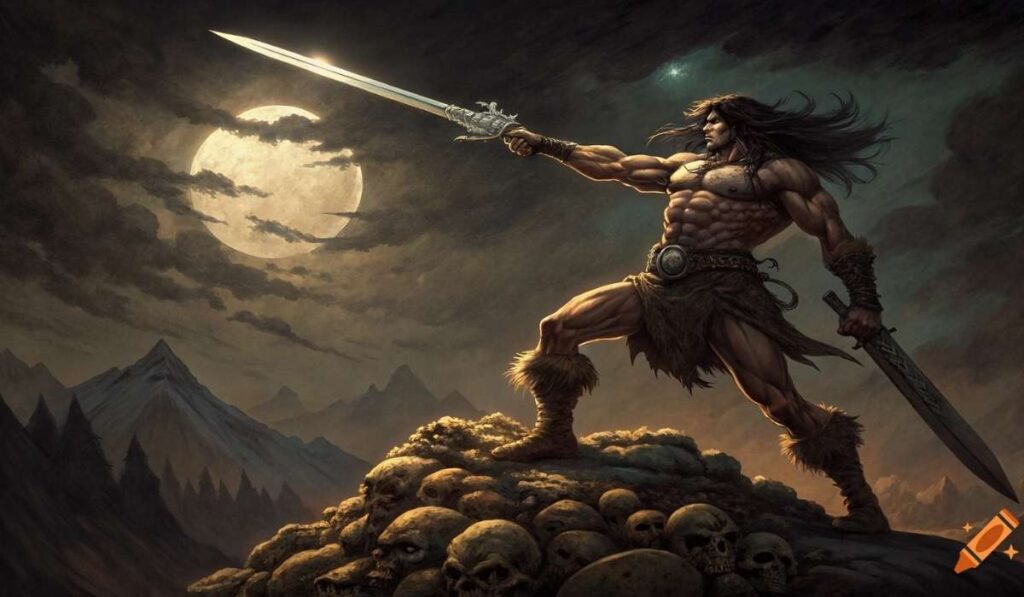
Badass barbarian names demand respect. They feel strong, fearless, and impossible to ignore. Perfect for warriors who dominate the battlefield and strike fear into enemies.
- Ravok: Fictional origin, meaning “crimson fury,” unstoppable in combat.
- Throgar: Norse origin, meaning “battle axe,” merciless and fierce.
- Varkon: Old English origin, meaning “wolf lord,” cunning and deadly.
- Drakar: Norse origin, meaning “dragon warrior,” unmatched in battle.
- Korrath: Celtic origin, meaning “iron spear,” bold and relentless.
- Gorrik: Norse origin, meaning “iron axe,” strikes with brutal precision.
- Zarnok: Fictional origin, meaning “unyielding strength,” feared in every raid.
- Hrothar: Scandinavian origin, meaning “famous spear,” legendary fighter.
- Volgrim: Germanic origin, meaning “wolf king,” master of strategy.
- Falkor: Germanic origin, meaning “falcon,” sharp-eyed and deadly.
- Dravok: Fictional origin, meaning “shadow warrior,” silent and swift.
- Bragnar: Norse origin, meaning “bold warrior,” leads tribes into battle.
- Karnath: Fictional origin, meaning “battle lord,” fierce and cunning.
- Tharn: Norse origin, meaning “thorn,” dangerous in every fight.
- Veldor: Germanic origin, meaning “war field,” dominates enemies.
- Korathor: Fictional origin, meaning “iron protector,” unstoppable in raids.
- Harkan: Old English origin, meaning “battle wolf,” swift and clever.
- Drogath: Old Norse origin, meaning “storm bringer,” feared across lands.
- Rognar: Scandinavian origin, meaning “counsel of gods,” wise and brutal.
- Brakar: Norse origin, meaning “breaker,” crushes every foe.
- Malrik: Slavic origin, meaning “strong hammer,” mighty fighter.
- Grothar: Germanic origin, meaning “mighty,” feared in war.
- Zorvik: Fictional origin, meaning “fierce,” unstoppable and bold.
- Hrothik: Scandinavian origin, meaning “famous fighter,” victorious.
- Krogar: Norse origin, meaning “war axe,” savage and unstoppable.
- Falkar: Germanic origin, meaning “falcon fighter,” fast and deadly.
- Dravik: Fictional origin, meaning “relentless,” feared by all.
- Varkran: Old Norse origin, meaning “wolf warrior,” cunning and strong.
- Ragnor: Scandinavian origin, meaning “judgment of gods,” fierce.
- Thrognar: Scandinavian origin, meaning “hammer of war,” feared by all.
- Malvor: Germanic origin, meaning “mighty lord,” legendary chieftain.
- Harkon: Old Norse origin, meaning “wolf of the north,” feared.
- Dragnar: Scandinavian origin, meaning “dragon spear,” fierce and cunning.
- Veldrak: Fictional origin, meaning “battle master,” dominates opponents.
- Bruthar: Norse origin, meaning “strong protector,” loyal and fierce.
- Gorriksen: Germanic origin, meaning “son of strength,” powerful.
- Zarkon: Fictional origin, meaning “shadow warrior,” deadly and silent.
- Tharok: Old English origin, meaning “iron thorn,” lethal in fights.
- Kragnar: Fictional origin, meaning “iron fury,” feared in raids.
- Volthar: Old Norse origin, meaning “storm hammer,” unstoppable force.
- Thrygon: Scandinavian origin, meaning “battle king,” commands respect.
- Korvik: Fictional origin, meaning “iron will,” merciless in combat.
- Hrogar: Norse origin, meaning “famous fighter,” master of strategy.
- Brundar: Scandinavian origin, meaning “tribe protector,” strong and loyal.
- Drovak: Fictional origin, meaning “shadow hunter,” silent and deadly.
- Falkran: Germanic origin, meaning “falcon king,” skilled strategist.
- Varkoth: Old English origin, meaning “wolf shadow,” swift and lethal.
- Throgarak: Norse origin, meaning “axe storm,” feared across lands.
- Zornak: Fictional origin, meaning “rage incarnate,” unstoppable warrior.
- Korrin: Celtic origin, meaning “battle spear,” precise and fierce.
Barbarians Name Inspired by Nomadic Lifestyle
Nomadic barbarians roam the wilds, moving with the wind. These names reflect freedom, survival, and the harshness of life on the move.
- Windar: Fictional origin, meaning “free traveler,” swift across plains.
- Rovak: Old Norse origin, meaning “wandering warrior,” lives by strength alone.
- Thrynn: Scandinavian origin, meaning “storm rider,” untamed and fearless.
- Varkun: Old English origin, meaning “wolf wanderer,” silent and cunning.
- Dravik: Fictional origin, meaning “roaming fighter,” always on the move.
- Falkor: Germanic origin, meaning “falcon,” soars over distant lands.
- Korvin: Fictional origin, meaning “nomadic leader,” commands respect wherever he goes.
- Zarnath: Fictional origin, meaning “trailblazer,” leads his tribe through wild terrains.
- Hrothar: Scandinavian origin, meaning “famous spear,” feared in every territory.
- Veldor: Germanic origin, meaning “field wanderer,” adapts to every challenge.
- Ragnor: Norse origin, meaning “judgment of gods,” wise and brave.
- Throgar: Norse origin, meaning “battle axe,” fierce protector on the move.
- Korrath: Celtic origin, meaning “iron spear,” roaming through unknown lands.
- Bragnar: Norse origin, meaning “bold warrior,” unstoppable on journeys.
- Drakar: Norse origin, meaning “dragon warrior,” leads the tribe fearlessly.
- Zoryan: Slavic origin, meaning “morning traveler,” swift and daring.
- Halkan: Old English origin, meaning “pathfinder,” master of survival.
- Varkath: Fictional origin, meaning “shadow wanderer,” silent in the night.
- Drogath: Old Norse origin, meaning “storm bringer,” unstoppable in raids.
- Freyra: Norse origin, meaning “goddess of war,” protector of roaming tribes.
- Kragnar: Fictional origin, meaning “iron fury,” roaming and fierce.
- Volthar: Old Norse origin, meaning “storm hammer,” feared on the move.
- Tharn: Norse origin, meaning “thorn,” dangerous across terrains.
- Brakar: Norse origin, meaning “breaker,” feared by nomads and enemies.
- Varkon: Old English origin, meaning “wolf lord,” quick and cunning.
- Hrogar: Norse origin, meaning “famous warrior,” master of paths.
- Dravok: Fictional origin, meaning “shadow hunter,” travels unseen.
- Zarnok: Fictional origin, meaning “unyielding strength,” leads caravans and raids.
- Falkran: Germanic origin, meaning “falcon king,” sees far and strikes fast.
- Korathor: Fictional origin, meaning “iron protector,” guardian of nomads.
- Harkan: Old English origin, meaning “battle wolf,” survives any challenge.
- Drogak: Old Norse origin, meaning “storm bringer,” dominates wild territories.
- Veldrak: Fictional origin, meaning “wanderer,” master of survival.
- Bruthar: Norse origin, meaning “strong protector,” loyal to nomadic tribes.
- Gorrik: Norse origin, meaning “iron axe,” feared everywhere.
- Thrognar: Scandinavian origin, meaning “hammer of war,” commands nomadic respect.
- Malrik: Slavic origin, meaning “strong hammer,” leader on the road.
- Hrothik: Scandinavian origin, meaning “famous fighter,” roaming legend.
- Zorvik: Fictional origin, meaning “fierce,” lives untamed across lands.
- Krogar: Norse origin, meaning “war axe,” unstoppable on journeys.
- Falkorik: Germanic origin, meaning “falcon fighter,” swift and deadly.
- Dravik: Fictional origin, meaning “relentless traveler,” survives all dangers.
- Bragnar: Norse origin, meaning “bold warrior,” leads nomadic tribes.
- Varkran: Old Norse origin, meaning “wolf warrior,” cunning on the move.
- Korvik: Fictional origin, meaning “iron will,” fearless in nomadic life.
- Throgarak: Norse origin, meaning “axe storm,” commands respect on travels.
- Zornak: Fictional origin, meaning “rage incarnate,” unstoppable wanderer.
- Korrin: Celtic origin, meaning “battle spear,” sharp and fearless.
- Drakarik: Norse origin, meaning “dragon warrior,” dominates every path.
- Veldorak: Germanic origin, meaning “field master,” strong in survival.
Tribal Culture Inspired Barbarians Name
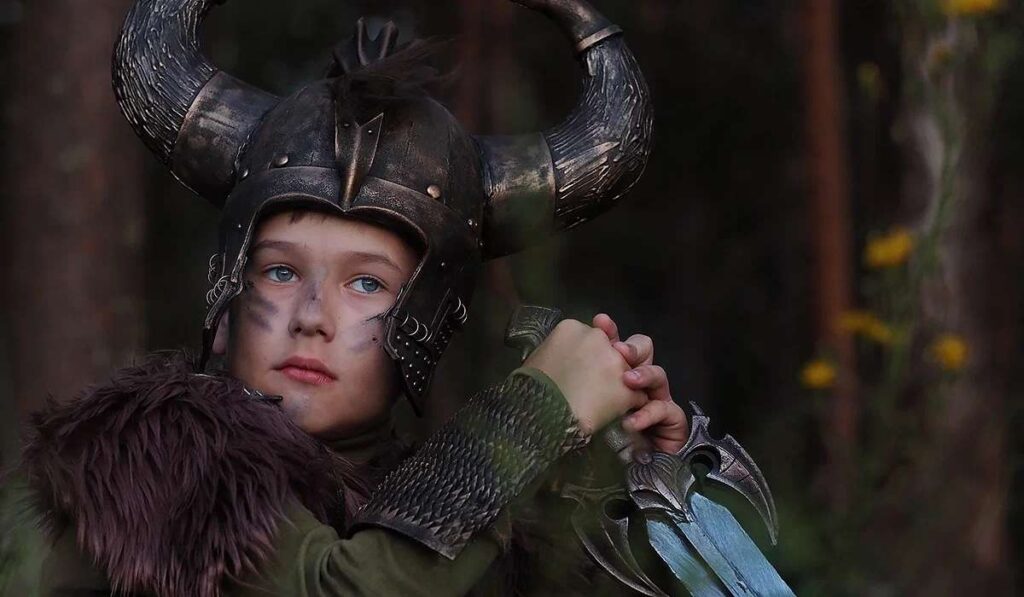
Tribal barbarians draw strength from their clans. These names honor heritage, tradition, and a deep connection to the tribe’s spirit.
- Brundar: Scandinavian origin, meaning “tribe protector,” loyal to his people.
- Thalira: Fictional origin, meaning “storm maiden,” leads with courage and honor.
- Korath: Fictional origin, meaning “fierce guardian,” upholds tribal law.
- Varkira: Fictional origin, meaning “wolf huntress,” symbolizes cunning and loyalty.
- Hrothgar: Norse origin, meaning “famous spear,” honored in tribal legends.
- Ragnira: Norse origin, meaning “wise warrior,” keeper of ancient knowledge.
- Dravik: Fictional origin, meaning “relentless fighter,” defends tribal lands.
- Bryndis: Old Norse origin, meaning “armored goddess,” fierce and respected.
- Zarnok: Fictional origin, meaning “unyielding strength,” leader in every fight.
- Falkira: Scandinavian origin, meaning “falcon maiden,” watchful protector of her clan.
- Thrognar: Scandinavian origin, meaning “hammer of war,” respected by all warriors.
- Korvina: Fictional origin, meaning “iron heart,” stands for tribal justice.
- Bragnar: Norse origin, meaning “bold warrior,” leads rituals and battles.
- Veldira: Fictional origin, meaning “battle spirit,” embodies the tribe’s courage.
- Hildra: Scandinavian origin, meaning “battle maiden,” honored in tribal ceremonies.
- Zorya: Slavic origin, meaning “morning star,” guides her people safely.
- Korrina: Celtic origin, meaning “spear maiden,” sharp and protective.
- Malvira: Germanic origin, meaning “strong protector,” defender of tribal lands.
- Drakara: Fictional origin, meaning “dragon heart,” inspires warriors through legend.
- Freyrae: Norse origin, meaning “goddess of battle,” symbolizes strength and unity.
- Thalara: Fictional origin, meaning “storm bringer,” guides the tribe with courage.
- Varkirae: Fictional origin, meaning “wolf huntress,” loyal to her people.
- Hrothira: Norse origin, meaning “famous warrior,” protector of traditions.
- Bryndora: Scandinavian origin, meaning “shield maiden,” fierce and loyal.
- Zorynae: Slavic origin, meaning “morning warrior,” brave and fearless.
- Thryssa: Old Norse origin, meaning “battle maiden,” sharp and respected.
- Korvinae: Fictional origin, meaning “iron warrior,” defender of tribes.
- Falkirae: Scandinavian origin, meaning “falcon spirit,” swift and sharp-eyed.
- Ragnirae: Norse origin, meaning “victory maiden,” honored in tribal legends.
- Dravirae: Fictional origin, meaning “dragon warrior,” inspires young fighters.
- Brynnara: Scandinavian origin, meaning “armored maiden,” guardian of the tribe.
- Hildorae: Old Norse origin, meaning “battle maiden,” respected for bravery.
- Zoryra: Slavic origin, meaning “dawn warrior,” protector of her people.
- Korvessa: Fictional origin, meaning “storm protector,” fierce in battles.
- Brundira: Scandinavian origin, meaning “tribe defender,” loyal and brave.
- Veldirae: Fictional origin, meaning “battle spirit,” courageous and strong.
- Freyssa: Norse origin, meaning “goddess of courage,” revered in tribe.
- Thalarae: Fictional origin, meaning “storm bringer,” leads warriors into battle.
- Hrothirae: Norse origin, meaning “famous fighter,” legend among clans.
- Zarkinae: Fictional origin, meaning “shadow warrior,” swift and clever.
- Brynnarae: Scandinavian origin, meaning “shield maiden,” defender of clans.
- Falkyrae: Scandinavian origin, meaning “falcon huntress,” watches over tribe.
- Ragnirae: Norse origin, meaning “victory maiden,” inspires fear and respect.
- Drakarae: Fictional origin, meaning “dragon warrior,” powerful and bold.
- Varkirae: Fictional origin, meaning “wolf spirit,” guardian of the tribe.
- Malvirae: Germanic origin, meaning “strong guardian,” protector of lands.
- Thryssael: Old Norse origin, meaning “battle queen,” honored among warriors.
- Bryndirae: Scandinavian origin, meaning “armored maiden,” legendary in tribe.
- Zorynae: Slavic origin, meaning “morning warrior,” fierce and radiant.
Read More: 700+ Samurais Names Inspired by Ancient Legend
Barbarians Name Reflecting Their Warlike Nature
Warlike barbarians are fierce and relentless. These names show power, aggression, and an unbreakable fighting spirit.
- Throgar: Norse origin, meaning “battle axe,” strikes with unmatched fury.
- Ragnar: Scandinavian origin, meaning “warrior counsel,” master of strategy.
- Varkon: Old English origin, meaning “wolf lord,” cunning and fierce.
- Drakar: Norse origin, meaning “dragon warrior,” feared in battles.
- Korrath: Celtic origin, meaning “iron spear,” relentless fighter.
- Gorrik: Norse origin, meaning “iron axe,” devastating in combat.
- Zarnok: Fictional origin, meaning “unyielding strength,” dominates enemies.
- Hrothar: Scandinavian origin, meaning “famous spear,” legendary raider.
- Volgrim: Germanic origin, meaning “wolf king,” commands armies.
- Falkor: Germanic origin, meaning “falcon,” strikes swiftly and deadly.
- Dravok: Fictional origin, meaning “shadow warrior,” silent but lethal.
- Bragnar: Norse origin, meaning “bold warrior,” leads raids fearlessly.
- Karnath: Fictional origin, meaning “battle lord,” unstoppable in war.
- Tharn: Norse origin, meaning “thorn,” dangerous in combat.
- Veldor: Germanic origin, meaning “war field,” dominates opponents.
- Korathor: Fictional origin, meaning “iron protector,” brutal and feared.
- Harkan: Old English origin, meaning “battle wolf,” fierce and cunning.
- Drogath: Old Norse origin, meaning “storm bringer,” feared by all.
- Rognar: Scandinavian origin, meaning “counsel of gods,” wise in war.
- Brakar: Norse origin, meaning “breaker,” crushes enemies effortlessly.
- Malrik: Slavic origin, meaning “strong hammer,” mighty fighter.
- Grothar: Germanic origin, meaning “mighty,” feared on battlefields.
- Zorvik: Fictional origin, meaning “fierce,” relentless in raids.
- Hrothik: Scandinavian origin, meaning “famous fighter,” victorious.
- Krogar: Norse origin, meaning “war axe,” savage in combat.
- Falkar: Germanic origin, meaning “falcon fighter,” sharp and deadly.
- Dravik: Fictional origin, meaning “relentless,” feared in every fight.
- Varkran: Old Norse origin, meaning “wolf warrior,” cunning and brutal.
- Ragnor: Scandinavian origin, meaning “judgment of gods,” wise and strong.
- Thrognar: Scandinavian origin, meaning “hammer of war,” feared everywhere.
- Malvor: Germanic origin, meaning “mighty lord,” legendary chieftain.
- Harkon: Old Norse origin, meaning “wolf of the north,” terrifying in battle.
- Dragnar: Scandinavian origin, meaning “dragon spear,” fierce and unstoppable.
- Veldrak: Fictional origin, meaning “battle master,” dominates the battlefield.
- Bruthar: Norse origin, meaning “strong protector,” loyal and lethal.
- Gorriksen: Germanic origin, meaning “son of strength,” fearsome warrior.
- Zarkon: Fictional origin, meaning “shadow warrior,” deadly and silent.
- Tharok: Old English origin, meaning “iron thorn,” dangerous and sharp.
- Kragnar: Fictional origin, meaning “iron fury,” relentless fighter.
- Volthar: Old Norse origin, meaning “storm hammer,” devastating in combat.
- Thrygon: Scandinavian origin, meaning “battle king,” leads armies with skill.
- Korvik: Fictional origin, meaning “iron will,” feared and respected.
- Hrogar: Norse origin, meaning “famous fighter,” legend among warriors.
- Brundar: Scandinavian origin, meaning “tribe protector,” defender of clans.
- Drovak: Fictional origin, meaning “shadow hunter,” strikes unseen.
- Falkran: Germanic origin, meaning “falcon king,” master strategist.
- Varkoth: Old English origin, meaning “wolf shadow,” swift and deadly.
- Throgarak: Norse origin, meaning “axe storm,” feared by enemies.
- Zornak: Fictional origin, meaning “rage incarnate,” unstoppable in battle.
- Korrin: Celtic origin, meaning “battle spear,” fierce and precise.
Barbarians Name Representing Physical Strength
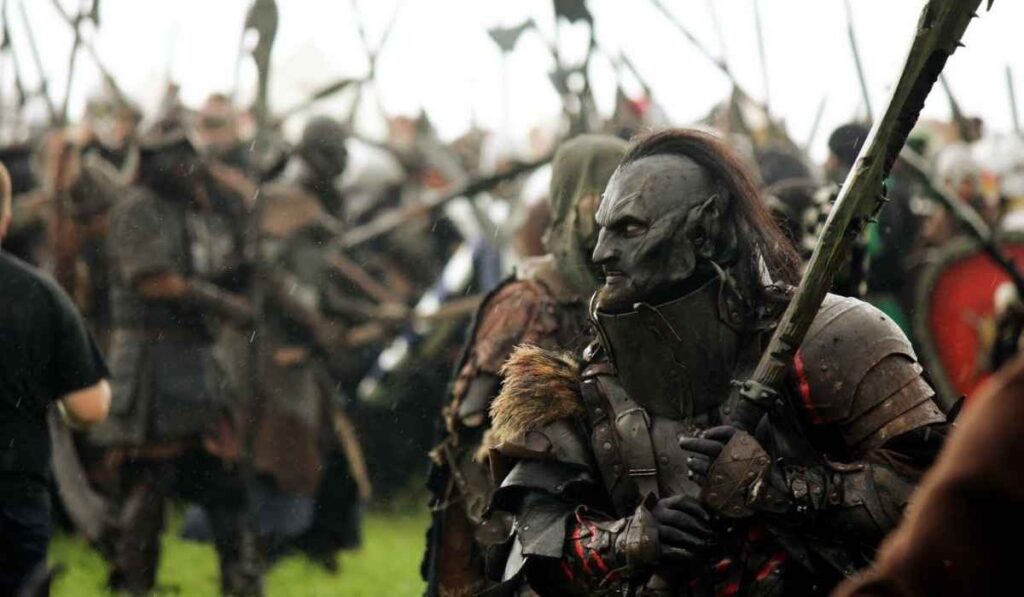
These names reflect raw power and immense physical strength. Perfect for warriors who rely on might to crush their enemies.
- Gorrath: Old Norse origin, meaning “mighty axe,” strong and unstoppable.
- Bragnar: Norse origin, meaning “bold warrior,” built for war.
- Hrothar: Scandinavian origin, meaning “famous spear,” mighty fighter.
- Volgrim: Germanic origin, meaning “wolf king,” embodies power and dominance.
- Dravok: Fictional origin, meaning “iron fist,” crushes all opposition.
- Throgar: Norse origin, meaning “battle axe,” feared for brute strength.
- Zarnok: Fictional origin, meaning “unyielding strength,” unstoppable warrior.
- Varkon: Old English origin, meaning “wolf lord,” strong and fierce.
- Korrath: Celtic origin, meaning “iron spear,” powerful and relentless.
- Falkor: Germanic origin, meaning “falcon,” fast and strong.
- Drakar: Norse origin, meaning “dragon warrior,” legendary for strength.
- Gorrik: Norse origin, meaning “iron axe,” built for battle.
- Harkan: Old English origin, meaning “battle wolf,” strong and cunning.
- Korathor: Fictional origin, meaning “iron protector,” feared for power.
- Drogath: Old Norse origin, meaning “storm bringer,” relentless in fights.
- Tharn: Norse origin, meaning “thorn,” strong and sharp.
- Veldor: Germanic origin, meaning “war field,” mighty in combat.
- Bruthar: Norse origin, meaning “strong protector,” fearless in battle.
- Ragnor: Scandinavian origin, meaning “judgment of gods,” strong and wise.
- Thrognar: Scandinavian origin, meaning “hammer of war,” powerful fighter.
- Malrik: Slavic origin, meaning “strong hammer,” brute force in war.
- Hrothik: Scandinavian origin, meaning “famous fighter,” mighty in battle.
- Krogar: Norse origin, meaning “war axe,” unstoppable force.
- Falkar: Germanic origin, meaning “falcon fighter,” strong and precise.
- Dravik: Fictional origin, meaning “relentless,” unmatched in power.
- Varkran: Old Norse origin, meaning “wolf warrior,” fearsome and strong.
- Brakar: Norse origin, meaning “breaker,” demolishes opponents.
- Korvik: Fictional origin, meaning “iron will,” strong and determined.
- Hrogar: Norse origin, meaning “famous fighter,” built for combat.
- Volthar: Old Norse origin, meaning “storm hammer,” crushes enemies.
- Thrygon: Scandinavian origin, meaning “battle king,” displays unmatched strength.
- Kragnar: Fictional origin, meaning “iron fury,” overwhelming force.
- Zorvik: Fictional origin, meaning “fierce,” strong and relentless.
- Brundar: Scandinavian origin, meaning “tribe protector,” muscular and brave.
- Drovak: Fictional origin, meaning “shadow hunter,” strong and agile.
- Falkran: Germanic origin, meaning “falcon king,” sharp and mighty.
- Varkoth: Old English origin, meaning “wolf shadow,” strong and lethal.
- Throgarak: Norse origin, meaning “axe storm,” destroys opponents.
- Zornak: Fictional origin, meaning “rage incarnate,” physically dominant.
- Korrin: Celtic origin, meaning “battle spear,” powerful and fearless.
- Dragnar: Scandinavian origin, meaning “dragon spear,” huge and deadly.
- Veldrak: Fictional origin, meaning “battle master,” unmatched in strength.
- Bruthar: Norse origin, meaning “strong protector,” muscular and brave.
- Gorriksen: Germanic origin, meaning “son of strength,” strong and feared.
- Harkan: Old English origin, meaning “battle wolf,” powerful and swift.
- Dravok: Fictional origin, meaning “iron fist,” dominates battles.
- Falkorik: Germanic origin, meaning “falcon fighter,” strong and deadly.
- Varkran: Old Norse origin, meaning “wolf warrior,” strong and cunning.
- Korathor: Fictional origin, meaning “iron protector,” legendary for strength.
- Throgar: Norse origin, meaning “battle axe,” feared for sheer power.
Physical Appearance Inspired Barbarians Name
These names reflect a warrior’s looks, stature, or distinctive features. Perfect for creating a vivid, visual character.
- Ironjaw: English origin, meaning “strong jaw,” formidable in appearance.
- Redmane: Fictional origin, meaning “fiery hair,” striking and bold.
- Stonefist: Old English origin, meaning “hard fists,” physically intimidating.
- Wolfeye: Fictional origin, meaning “sharp gaze,” fierce and watchful.
- Blackthorn: Old Norse origin, meaning “dark protector,” mysterious and strong.
- Stormbeard: Scandinavian origin, meaning “beard of storms,” wild and fierce.
- Bloodfang: Fictional origin, meaning “sharp teeth,” terrifying in battle.
- Ironhide: Germanic origin, meaning “tough skin,” impervious to damage.
- Ravenhair: Slavic origin, meaning “dark hair,” mysterious and bold.
- Frostbite: Norse origin, meaning “icy warrior,” cold and relentless.
- Stoneaxe: Old English origin, meaning “axe of stone,” powerful and deadly.
- Redblade: Fictional origin, meaning “bloody sword,” striking in appearance.
- Wolfmane: Old English origin, meaning “wolf hair,” wild and untamed.
- Grimfang: Norse origin, meaning “fierce teeth,” intimidating in combat.
- Ironhide: Germanic origin, meaning “tough skin,” resilient and strong.
- Stormclaw: Fictional origin, meaning “lightning claw,” fast and lethal.
- Blackfang: Fictional origin, meaning “dark teeth,” feared by enemies.
- Frostmane: Scandinavian origin, meaning “icy hair,” cold and striking.
- Redfang: Fictional origin, meaning “bloody teeth,” fierce and intimidating.
- Wolfclaw: Old English origin, meaning “sharp claws,” wild and dangerous.
- Ironmane: Germanic origin, meaning “strong hair,” powerful and bold.
- Bloodmane: Fictional origin, meaning “red hair,” terrifying in battle.
- Stoneclaw: Old English origin, meaning “rock claws,” strong and brutal.
- Ravenfang: Slavic origin, meaning “black teeth,” feared in raids.
- Stormfang: Norse origin, meaning “lightning teeth,” fast and deadly.
- Ironfang: Germanic origin, meaning “strong teeth,” ferocious in combat.
- Redclaw: Fictional origin, meaning “bloody claws,” wild and intimidating.
- Wolfblade: Old English origin, meaning “wolf sword,” sharp and lethal.
- Blackmane: Scandinavian origin, meaning “dark hair,” mysterious and strong.
- Frostfang: Norse origin, meaning “icy teeth,” cold and deadly.
- Stonefang: Old English origin, meaning “rock teeth,” strong and terrifying.
- Bloodfang: Fictional origin, meaning “bloody teeth,” feared in battle.
- Ironclaw: Germanic origin, meaning “strong claws,” unstoppable in fights.
- Redfang: Fictional origin, meaning “blood teeth,” wild and lethal.
- Wolffang: Old English origin, meaning “wolf teeth,” deadly and fierce.
- Stormmane: Scandinavian origin, meaning “hair of storms,” wild and untamed.
- Ravenmane: Slavic origin, meaning “dark hair,” striking and bold.
- Frostmane: Norse origin, meaning “icy hair,” cold and lethal.
- Ironmane: Germanic origin, meaning “strong hair,” powerful and bold.
- Blackfang: Fictional origin, meaning “dark teeth,” terrifying in battle.
- Stonefang: Old English origin, meaning “rock teeth,” unstoppable warrior.
- Bloodmane: Fictional origin, meaning “red hair,” intimidating and fierce.
- Wolfmane: Old English origin, meaning “wild hair,” untamed and strong.
- Stormfang: Norse origin, meaning “lightning teeth,” fast and deadly.
- Ravenfang: Slavic origin, meaning “black teeth,” feared and deadly.
- Ironfang: Germanic origin, meaning “strong teeth,” unmatched in battle.
- Redmane: Fictional origin, meaning “fiery hair,” bold and striking.
Primitive Weapon Inspired Barbarians Name
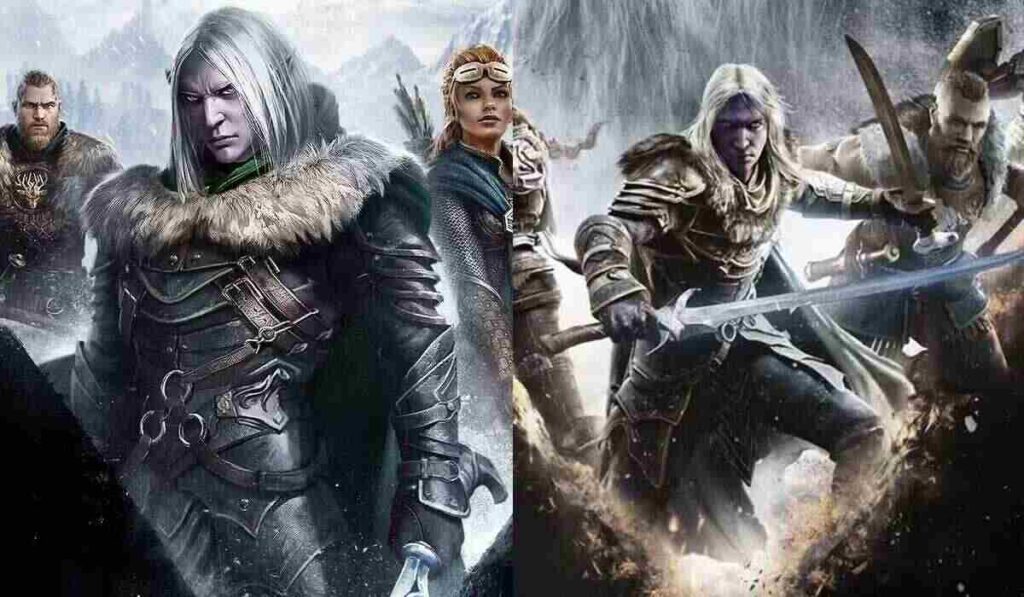
These names are inspired by ancient weapons, reflecting a barbarian’s skill and the raw power of their arms.
- Axebreaker: Fictional origin, meaning “breaker of axes,” master of combat.
- Hammerfall: Old English origin, meaning “falling hammer,” destroys enemies.
- Spearfang: Fictional origin, meaning “spear teeth,” lethal in battle.
- Bladecrusher: Fictional origin, meaning “crusher of blades,” unstoppable warrior.
- Macehand: Old English origin, meaning “mighty hand,” swings with force.
- Clubbreaker: Fictional origin, meaning “breaker of clubs,” powerful and fierce.
- Stoneaxe: Old English origin, meaning “axe of stone,” solid and deadly.
- Ironblade: Germanic origin, meaning “iron sword,” strong and sharp.
- Warhammer: Scandinavian origin, meaning “hammer of war,” strikes with power.
- Axeclaw: Fictional origin, meaning “claw axe,” swift and deadly.
- Spearjaw: Fictional origin, meaning “spear teeth,” piercing and fierce.
- Hammerfist: Old English origin, meaning “mighty fist,” destroys opponents.
- Bladefang: Fictional origin, meaning “sharp blade,” dangerous and swift.
- Clubcrusher: Fictional origin, meaning “crusher of clubs,” strong and relentless.
- Ironmace: Germanic origin, meaning “iron mace,” formidable in battle.
- Stoneblade: Old English origin, meaning “stone sword,” heavy and deadly.
- Axeheart: Fictional origin, meaning “heart of the axe,” brave and fierce.
- Macespike: Fictional origin, meaning “spiked mace,” feared in combat.
- Warblade: Scandinavian origin, meaning “blade of war,” swift and lethal.
- Ironaxe: Germanic origin, meaning “iron axe,” powerful and strong.
- Spearbreaker: Fictional origin, meaning “breaker of spears,” dominant in fights.
- Hammerclaw: Old English origin, meaning “hammer claw,” swift and brutal.
- Stonehammer: Old English origin, meaning “hammer of stone,” crushing force.
- Bladebreaker: Fictional origin, meaning “breaker of blades,” unstoppable warrior.
- Clubfang: Fictional origin, meaning “club teeth,” strikes with force.
- Axecrusher: Fictional origin, meaning “crusher of axes,” devastating in raids.
- Ironfang: Germanic origin, meaning “iron teeth,” strong and fierce.
- Spearstrike: Fictional origin, meaning “spear hit,” precise and deadly.
- Warfang: Scandinavian origin, meaning “teeth of war,” feared in battle.
- Macebreaker: Old English origin, meaning “breaker of maces,” strong fighter.
- Stonefang: Old English origin, meaning “stone teeth,” lethal and durable.
- Hammerstrike: Old English origin, meaning “strike of hammer,” unstoppable.
- Bladeclaw: Fictional origin, meaning “blade claw,” sharp and dangerous.
- Clubstrike: Fictional origin, meaning “strike of the club,” swift and brutal.
- Ironstrike: Germanic origin, meaning “iron strike,” powerful and deadly.
- Stoneclaw: Old English origin, meaning “stone claw,” solid and strong.
- Axebane: Fictional origin, meaning “bane of axes,” feared enemy.
- Macespike: Old English origin, meaning “spiked mace,” deadly in combat.
- Warclaw: Scandinavian origin, meaning “claw of war,” fierce and fast.
- Ironclaw: Germanic origin, meaning “iron claw,” strong and relentless.
- Bladeheart: Fictional origin, meaning “heart of the blade,” brave and fierce.
- Stonefang: Old English origin, meaning “stone teeth,” tough and deadly.
- Hammerheart: Old English origin, meaning “heart of hammer,” strong and bold.
- Spearclaw: Fictional origin, meaning “spear claw,” precise and lethal.
- Axehand: Fictional origin, meaning “hand of axe,” fearless warrior.
- Macefist: Old English origin, meaning “mighty fist,” destroys enemies.
- Warhand: Scandinavian origin, meaning “hand of war,” master of weapons.
- Ironheart: Germanic origin, meaning “iron heart,” unstoppable in battle.
- Bladehand: Fictional origin, meaning “hand of blade,” deadly and swift.
Savage Barbarians Name
Savage barbarian names are wild, untamed, and primal. Perfect for fierce warriors who strike fear into everyone around them.
- Bloodfang: Fictional origin, meaning “bloody teeth,” fierce and deadly.
- Rageclaw: Old English origin, meaning “claw of rage,” unstoppable in fury.
- Savrak: Fictional origin, meaning “savage warrior,” brutal and fearless.
- Thornfang: Scandinavian origin, meaning “thorn teeth,” sharp and dangerous.
- Furyjaw: Fictional origin, meaning “jaw of fury,” powerful and aggressive.
- Wildbane: Fictional origin, meaning “bane of the wild,” feared everywhere.
- Stormfang: Norse origin, meaning “lightning teeth,” fast and lethal.
- Bloodmane: Fictional origin, meaning “red hair,” striking and bold.
- Ironfang: Germanic origin, meaning “iron teeth,” strong and ferocious.
- Dravak: Fictional origin, meaning “shadow predator,” silent and deadly.
- Grimfang: Old Norse origin, meaning “fierce teeth,” intimidating in combat.
- Wolffang: Old English origin, meaning “wolf teeth,” deadly and cunning.
- Kragnar: Fictional origin, meaning “iron fury,” relentless fighter.
- Hrothgar: Scandinavian origin, meaning “famous spear,” wild and unstoppable.
- Varkon: Old English origin, meaning “wolf lord,” savage and strong.
- Thrognar: Scandinavian origin, meaning “hammer of war,” feared in raids.
- Zarnok: Fictional origin, meaning “unyielding strength,” brutal and relentless.
- Ragnar: Scandinavian origin, meaning “warrior counsel,” master of strategy.
- Gorrik: Norse origin, meaning “iron axe,” sharp and dangerous.
- Drakar: Norse origin, meaning “dragon warrior,” fierce and wild.
- Bragnar: Norse origin, meaning “bold warrior,” fearless and untamed.
- Falkor: Germanic origin, meaning “falcon,” swift and deadly.
- Korathor: Fictional origin, meaning “iron protector,” strong and savage.
- Drogath: Old Norse origin, meaning “storm bringer,” aggressive and fierce.
- Veldor: Germanic origin, meaning “war field,” dominates all fights.
- Throgarak: Norse origin, meaning “axe storm,” terrifying in combat.
- Malrik: Slavic origin, meaning “strong hammer,” powerful and relentless.
- Hrothik: Scandinavian origin, meaning “famous fighter,” savage and deadly.
- Krogar: Norse origin, meaning “war axe,” destructive force.
- Falkar: Germanic origin, meaning “falcon fighter,” fast and aggressive.
- Dravik: Fictional origin, meaning “relentless,” wild and untamed.
- Varkran: Old Norse origin, meaning “wolf warrior,” savage and cunning.
- Ragnor: Scandinavian origin, meaning “judgment of gods,” fierce and bold.
- Brakar: Norse origin, meaning “breaker,” crushes enemies mercilessly.
- Grothar: Germanic origin, meaning “mighty,” wild and fearless.
- Zorvik: Fictional origin, meaning “fierce,” brutal and strong.
- Hrogar: Norse origin, meaning “famous fighter,” unstoppable in battle.
- Volthar: Old Norse origin, meaning “storm hammer,” wild and deadly.
- Thrygon: Scandinavian origin, meaning “battle king,” savage and fearless.
- Korvik: Fictional origin, meaning “iron will,” unstoppable in combat.
- Brundar: Scandinavian origin, meaning “tribe protector,” wild and brave.
- Drovak: Fictional origin, meaning “shadow hunter,” savage and lethal.
- Falkran: Germanic origin, meaning “falcon king,” sharp and aggressive.
- Varkoth: Old English origin, meaning “wolf shadow,” wild and cunning.
- Dragnar: Scandinavian origin, meaning “dragon spear,” ferocious and savage.
- Veldrak: Fictional origin, meaning “battle master,” unstoppable in fights.
- Bruthar: Norse origin, meaning “strong protector,” savage and bold.
- Korrin: Celtic origin, meaning “battle spear,” wild and fearless.
Cool Barbarian Names
Cool barbarian names feel epic, unique, and legendary. Perfect for heroes or villains with style and presence.
- Ragnar: Scandinavian origin, meaning “warrior counsel,” legendary and bold.
- Drakar: Norse origin, meaning “dragon warrior,” cool and fierce.
- Throgar: Norse origin, meaning “battle axe,” feared and stylish.
- Varkon: Old English origin, meaning “wolf lord,” sharp and cool.
- Bragnar: Norse origin, meaning “bold warrior,” powerful and epic.
- Korrath: Celtic origin, meaning “iron spear,” strong and unforgettable.
- Hrothar: Scandinavian origin, meaning “famous spear,” respected and cool.
- Falkor: Germanic origin, meaning “falcon,” swift and legendary.
- Drogath: Old Norse origin, meaning “storm bringer,” epic and feared.
- Zarnok: Fictional origin, meaning “unyielding strength,” cool and bold.
- Gorrik: Norse origin, meaning “iron axe,” stylish and fierce.
- Volgrim: Germanic origin, meaning “wolf king,” legendary and feared.
- Thrygon: Scandinavian origin, meaning “battle king,” epic and commanding.
- Korathor: Fictional origin, meaning “iron protector,” unstoppable and cool.
- Veldor: Germanic origin, meaning “war field,” bold and strong.
- Bruthar: Norse origin, meaning “strong protector,” epic and powerful.
- Rognar: Scandinavian origin, meaning “counsel of gods,” wise and cool.
- Hrogar: Norse origin, meaning “famous fighter,” legendary and feared.
- Thrognar: Scandinavian origin, meaning “hammer of war,” epic and strong.
- Malrik: Slavic origin, meaning “strong hammer,” bold and powerful.
- Dravik: Fictional origin, meaning “relentless,” cool and fearless.
- Krogar: Norse origin, meaning “war axe,” epic and ferocious.
- Falkar: Germanic origin, meaning “falcon fighter,” swift and legendary.
- Varkran: Old Norse origin, meaning “wolf warrior,” cool and fierce.
- Kragnar: Fictional origin, meaning “iron fury,” epic and unstoppable.
- Zorvik: Fictional origin, meaning “fierce,” bold and cool.
- Tharn: Norse origin, meaning “thorn,” sharp and legendary.
- Harkan: Old English origin, meaning “battle wolf,” epic and strong.
- Dragnar: Scandinavian origin, meaning “dragon spear,” legendary and bold.
- Veldrak: Fictional origin, meaning “battle master,” cool and commanding.
- Brakar: Norse origin, meaning “breaker,” powerful and epic.
- Gorriksen: Germanic origin, meaning “son of strength,” bold and cool.
- Drovak: Fictional origin, meaning “shadow hunter,” epic and lethal.
- Falkran: Germanic origin, meaning “falcon king,” swift and legendary.
- Varkoth: Old English origin, meaning “wolf shadow,” bold and stylish.
- Hrothik: Scandinavian origin, meaning “famous fighter,” cool and fearless.
- Volthar: Old Norse origin, meaning “storm hammer,” epic and unstoppable.
- Brundar: Scandinavian origin, meaning “tribe protector,” legendary and bold.
- Throgarak: Norse origin, meaning “axe storm,” epic and fierce.
- Zornak: Fictional origin, meaning “rage incarnate,” bold and cool.
- Korvik: Fictional origin, meaning “iron will,” stylish and legendary.
- Ragnor: Scandinavian origin, meaning “judgment of gods,” epic and wise.
- Malvor: Germanic origin, meaning “mighty lord,” bold and powerful.
- Dravok: Fictional origin, meaning “iron fist,” epic and strong.
- Hrothar: Scandinavian origin, meaning “famous spear,” legendary and cool.
- Bragnar: Norse origin, meaning “bold warrior,” stylish and epic.
- Thrognar: Scandinavian origin, meaning “hammer of war,” unstoppable and cool.
- Gorrik: Norse origin, meaning “iron axe,” epic and fierce.
- Drakarik: Fictional origin, meaning “dragon warrior,” legendary and bold.
- Varkira: Fictional origin, meaning “wolf huntress,” cool and strong.
- Falkira: Scandinavian origin, meaning “falcon maiden,” stylish and epic.
Good Barbarian Names
These names are noble, heroic, and memorable. Perfect for barbarians with honor, courage, and leadership.
- Ragnar: Scandinavian origin, meaning “warrior counsel,” respected and strong.
- Throgar: Norse origin, meaning “battle axe,” brave and fearless.
- Bragnar: Norse origin, meaning “bold warrior,” loyal and heroic.
- Hrothar: Scandinavian origin, meaning “famous spear,” wise and courageous.
- Varkon: Old English origin, meaning “wolf lord,” noble and fierce.
- Falkor: Germanic origin, meaning “falcon,” swift and honorable.
- Drakar: Norse origin, meaning “dragon warrior,” legendary and respected.
- Korrath: Celtic origin, meaning “iron spear,” strong and disciplined.
- Gorrik: Norse origin, meaning “iron axe,” powerful and loyal.
- Volgrim: Germanic origin, meaning “wolf king,” admired by all.
- Korathor: Fictional origin, meaning “iron protector,” brave and steadfast.
- Drogath: Old Norse origin, meaning “storm bringer,” heroic and strong.
- Thrygon: Scandinavian origin, meaning “battle king,” wise and noble.
- Hrogar: Norse origin, meaning “famous fighter,” honorable and fierce.
- Veldor: Germanic origin, meaning “war field,” strong and dependable.
- Bruthar: Norse origin, meaning “strong protector,” loyal and courageous.
- Rognar: Scandinavian origin, meaning “counsel of gods,” wise and just.
- Malrik: Slavic origin, meaning “strong hammer,” heroic and powerful.
- Dravik: Fictional origin, meaning “relentless,” brave and fearless.
- Krogar: Norse origin, meaning “war axe,” bold and dependable.
- Falkar: Germanic origin, meaning “falcon fighter,” swift and noble.
- Varkran: Old Norse origin, meaning “wolf warrior,” brave and strong.
- Kragnar: Fictional origin, meaning “iron fury,” fierce and loyal.
- Zorvik: Fictional origin, meaning “fierce,” courageous and reliable.
- Tharn: Norse origin, meaning “thorn,” sharp and fearless.
- Harkan: Old English origin, meaning “battle wolf,” dependable and strong.
- Dragnar: Scandinavian origin, meaning “dragon spear,” brave and heroic.
- Veldrak: Fictional origin, meaning “battle master,” strong and noble.
- Brakar: Norse origin, meaning “breaker,” heroic and respected.
- Gorriksen: Germanic origin, meaning “son of strength,” loyal and courageous.
- Drovak: Fictional origin, meaning “shadow hunter,” bold and honorable.
- Falkran: Germanic origin, meaning “falcon king,” respected and brave.
- Varkoth: Old English origin, meaning “wolf shadow,” fierce and noble.
- Hrothik: Scandinavian origin, meaning “famous fighter,” strong and heroic.
- Volthar: Old Norse origin, meaning “storm hammer,” dependable and bold.
- Brundar: Scandinavian origin, meaning “tribe protector,” loyal and courageous.
- Throgarak: Norse origin, meaning “axe storm,” brave and unstoppable.
- Zornak: Fictional origin, meaning “rage incarnate,” strong and heroic.
- Korvik: Fictional origin, meaning “iron will,” dependable and bold.
- Ragnor: Scandinavian origin, meaning “judgment of gods,” wise and brave.
- Malvor: Germanic origin, meaning “mighty lord,” courageous and strong.
- Dravok: Fictional origin, meaning “iron fist,” heroic and fierce.
- Hrothar: Scandinavian origin, meaning “famous spear,” respected and fearless.
- Bragnar: Norse origin, meaning “bold warrior,” noble and brave.
- Thrognar: Scandinavian origin, meaning “hammer of war,” courageous and strong.
- Gorrik: Norse origin, meaning “iron axe,” heroic and dependable.
- Drakarik: Fictional origin, meaning “dragon warrior,” strong and respected.
- Varkira: Fictional origin, meaning “wolf huntress,” brave and noble.
- Falkira: Scandinavian origin, meaning “falcon maiden,” courageous and bold.
Funny Barbarians Name
These names are humorous, quirky, and playful. Perfect for barbarians with a lighthearted, comic edge.
- Bashy McSmash: Fictional origin, meaning “smashes everything,” comic and fierce.
- Ogrehugger: Fictional origin, meaning “hugs ogres,” funny and strong.
- Meatcleaver: Fictional origin, meaning “cleaves meat,” silly but brutal.
- Fumbleaxe: Fictional origin, meaning “axe mishap,” clumsy yet deadly.
- Clubfoot: Old English origin, meaning “special foot,” humorous warrior.
- Snarltooth: Fictional origin, meaning “toothy snarl,” playful and fierce.
- Grimble: Fictional origin, meaning “tiny terror,” small but deadly.
- Baconaxe: Fictional origin, meaning “axe lover,” funny and strong.
- Chunky: Fictional origin, meaning “hefty fighter,” amusingly big.
- Oinkskin: Fictional origin, meaning “pig hide,” funny and wild.
- Smashums: Fictional origin, meaning “smashes things,” playful brute.
- Snortbeard: Fictional origin, meaning “beard snorts,” comic barbarian.
- Clobberella: Fictional origin, meaning “clobbers all,” silly and strong.
- Grizzlepants: Fictional origin, meaning “fierce pants,” humorous fighter.
- Ticklefang: Fictional origin, meaning “teeth that tickle,” playful and deadly.
- Bellysmash: Fictional origin, meaning “smash with belly,” funny and bold.
- Ogreflap: Fictional origin, meaning “flapping ogre,” silly yet strong.
- Snaggleaxe: Fictional origin, meaning “crooked axe,” humorous but fierce.
- Grumplestick: Fictional origin, meaning “angry warrior,” funny and wild.
- Porkhammer: Fictional origin, meaning “hammer of pork,” silly and strong.
- Smashypants: Fictional origin, meaning “pants that smash,” playful and fierce.
- Ticklefist: Fictional origin, meaning “fists that tickle,” humorous fighter.
- Clumsyblade: Fictional origin, meaning “blade mishaps,” funny yet deadly.
- Grizzlefang: Fictional origin, meaning “fanged grizzle,” comic and wild.
- Bashington: Fictional origin, meaning “bash king,” silly but strong.
- Oinkfang: Fictional origin, meaning “pig teeth,” humorous and fierce.
- Snortaxe: Fictional origin, meaning “axe snorts,” comic and deadly.
- Wobblejaw: Fictional origin, meaning “shaky jaw,” funny yet tough.
- Chunkfist: Fictional origin, meaning “big fists,” comic brute.
- Grumpleaxe: Fictional origin, meaning “angry axe,” playful but lethal.
- Bellyfang: Fictional origin, meaning “belly teeth,” silly and dangerous.
- Clobberpants: Fictional origin, meaning “pants that clobber,” humorous warrior.
- Snizzle: Fictional origin, meaning “tiny terror,” funny but fierce.
- Ogrepants: Fictional origin, meaning “pants of ogre,” comic barbarian.
- Baconfist: Fictional origin, meaning “fist of bacon,” humorous and strong.
- Ticklefang: Fictional origin, meaning “fang that tickles,” funny and fierce.
- Grizzleflap: Fictional origin, meaning “wild flap,” comic barbarian.
- Smasharoo: Fictional origin, meaning “smash wildly,” playful fighter.
- Clumsyfang: Fictional origin, meaning “fang mishaps,” humorous and strong.
- Snortbeak: Fictional origin, meaning “beak that snorts,” funny barbarian.
- Wobbleaxe: Fictional origin, meaning “shaky axe,” silly yet fierce.
- Bellybash: Fictional origin, meaning “bash with belly,” comic fighter.
- Oinkhammer: Fictional origin, meaning “pig hammer,” humorous but deadly.
- Grumplestomp: Fictional origin, meaning “stomping grump,” funny and strong.
- Ticklepunch: Fictional origin, meaning “punch that tickles,” humorous and lethal.
- Snaggletusk: Fictional origin, meaning “crooked tusk,” funny and fierce.
- Clobberfist: Fictional origin, meaning “fist that clobbers,” comic and strong.
- Grizzlebash: Fictional origin, meaning “bashy grizzle,” humorous fighter.
- Baconhammer: Fictional origin, meaning “hammer of bacon,” funny yet strong.
- Smashopotamus: Fictional origin, meaning “smash beast,” comic and powerful.
Famous Barbarians Name
These names belong to legendary warriors, historical or mythical, known for strength, cunning, and heroism.
- Conan: Celtic origin, meaning “little wolf,” legendary barbarian hero.
- Ragnar Lodbrok: Norse origin, meaning “warrior counsel,” famous Viking king.
- Attila: Hunnic origin, meaning “little father,” feared conqueror.
- Brennus: Celtic origin, meaning “leader,” famous Gallic chieftain.
- Mongol Khan: Mongolian origin, meaning “ruler,” historic conqueror.
- Cuchulainn: Irish origin, meaning “hound of Ulster,” epic warrior.
- Alaric: Germanic origin, meaning “ruler of all,” Visigoth king.
- Vercingetorix: Celtic origin, meaning “supreme warrior,” Gallic hero.
- Hrolf: Norse origin, meaning “famous wolf,” legendary raider.
- Erik the Red: Norse origin, meaning “red warrior,” explorer and fighter.
- Genghis: Mongolian origin, meaning “ocean ruler,” feared conqueror.
- Thorkell: Norse origin, meaning “Thor’s cauldron,” mighty Viking.
- Fafnir: Norse origin, meaning “dragon,” legendary killer of heroes.
- Sigurd: Scandinavian origin, meaning “victory guardian,” epic hero.
- Bjorn Ironside: Norse origin, meaning “iron-sided bear,” legendary warrior.
- Hastings: Old English origin, meaning “battle,” historic fighter.
- Arminius: Germanic origin, meaning “warrior,” famous leader.
- Crom: Celtic origin, meaning “bent one,” mythical barbarian god.
- Baldrick: Fictional origin, meaning “bold ruler,” heroic warrior.
- Rollo: Norse origin, meaning “famous wolf,” historic Viking leader.
- Olaf the White: Norse origin, meaning “ancestor’s relic,” legendary king.
- Gunnar: Scandinavian origin, meaning “warrior,” epic and famous.
- Hagen: Germanic origin, meaning “enclosure,” mythic warrior.
- Sigmund: Norse origin, meaning “protection through victory,” legendary hero.
- Egil: Scandinavian origin, meaning “awe-inspiring,” famous Viking warrior.
- Ulf: Norse origin, meaning “wolf,” historic fighter and raider.
- Hrodgar: Scandinavian origin, meaning “famous spear,” epic warrior.
- Vladmir: Slavic origin, meaning “ruler of the world,” mighty fighter.
- Thorstein: Norse origin, meaning “Thor’s stone,” legendary Viking hero.
- Leif Erikson: Scandinavian origin, meaning “heir,” famous explorer and fighter.
- Magnus: Norse origin, meaning “great,” historic chieftain.
- Harald Fairhair: Norse origin, meaning “beautiful hair,” Viking king.
- Sigbjorn: Scandinavian origin, meaning “victory bear,” epic warrior.
- Ivar the Boneless: Norse origin, meaning “bow warrior,” legendary Viking.
- Tyr: Norse origin, meaning “god of war,” mythic fighter.
- Baldur: Norse origin, meaning “prince,” heroic and famous.
- Rurik: Scandinavian origin, meaning “famous ruler,” founder of dynasties.
- Starkad: Scandinavian origin, meaning “strong hero,” legendary warrior.
- Hrolf Kraki: Norse origin, meaning “famous hero,” mythic leader.
- Orvar-Odd: Scandinavian origin, meaning “arrow hero,” epic fighter.
- Fjolnir: Norse origin, meaning “wise warrior,” legendary king.
- Ketill Flatnose: Norse origin, meaning “helmeted warrior,” famous raider.
- Audun: Old Norse origin, meaning “friend,” epic and respected hero.
- Thorvald: Norse origin, meaning “Thor’s ruler,” legendary warrior.
- Erik Bloodaxe: Scandinavian origin, meaning “blood warrior,” historic king.
- Hakon: Norse origin, meaning “high son,” famous Viking leader.
- Bjorn: Scandinavian origin, meaning “bear,” legendary fighter.
- Skallagrim: Norse origin, meaning “bald skull,” feared warrior.
- Rognvald: Scandinavian origin, meaning “ruler’s advice,” historic Viking.
- Halfdan: Norse origin, meaning “half Dane,” famous chieftain.
- Ivar Ragnarsson: Scandinavian origin, meaning “son of Ragnar,” historic Viking hero.
Barbarians Name Generator
A Barbarians Name Generator is a powerful tool for creating unique and memorable names instantly. Whether you need barbarian names male, cool barbarian names, or good barbarian names, it offers endless options. Simply click, generate, and find the perfect male barbarian names for your hero, villain, or story character.
Frequently Ask Questions
What is a Barbarian’s Name?
A Barbarian’s Name is a strong, fierce name suited for warriors or characters in stories and games.
How do I choose a Barbarian’s Name?
Pick a name that reflects strength, courage, and the character’s personality or background.
What are popular male Barbarians Names?
Popular male Barbarians Names include Ragnar, Throgar, Bragnar, and Hrothar.
Can I create unique Barbarians Names?
Yes, you can mix sounds, meanings, or inspirations from history, mythology, or weapons.
Are Barbarians Names suitable for games?
Barbarians Names are perfect for DnD, RPGs, or fantasy storytelling.
What makes a Barbarians Name cool?
A cool Barbarians Name sounds fierce, bold, and unforgettable to match your character.
Should I use historical Barbarians Names?
Yes, using real Viking or Celtic names adds authenticity and depth to your character.
How many Barbarian Names should I choose?
It’s best to pick one primary name and 1–2 nicknames for flexibility.
Can Barbarians Names be Funny?
Yes, humorous or quirky names work for lighthearted or comic barbarian characters.
Where can I find Barbarians Name ideas?
You can use online lists, generators, or historical and fantasy references for inspiration.
Conclusion
Creating the perfect Barbarian’s Name can bring your character to life. With this list, you have hundreds of options for barbarian names male, male barbarian names, and even cool barbarian names. Every name captures strength, bravery, and personality. Whether your character is a fierce warrior or a cunning fighter, these names fit perfectly. You can choose good barbarian names for heroes or bold names for villains.
Using this guide, picking male barbarian names becomes simple and fun. You’ll find unique, memorable, and epic options to match any story or game. From savage warriors to legendary fighters, every Barbarian’s Name here inspires adventure. Keep this list handy, and your next character will stand out with a strong, brutal, and unforgettable identity.